


![[OPINION] Nationalism disguised as Patriotism](https://www.mvviewer.org/wp-content/uploads/2026/05/US-Flag-1.jpeg)






![[DEBATES] Prestigious colleges: value or hype?](https://www.mvviewer.org/wp-content/uploads/2024/12/buildings-1200x654.png)















![[OPINION] The dark origins of TikTok's looksmaxxing trend](https://www.mvviewer.org/wp-content/uploads/2024/02/Copy-of-Copy-of-Untitled-Design-1200x675.png)


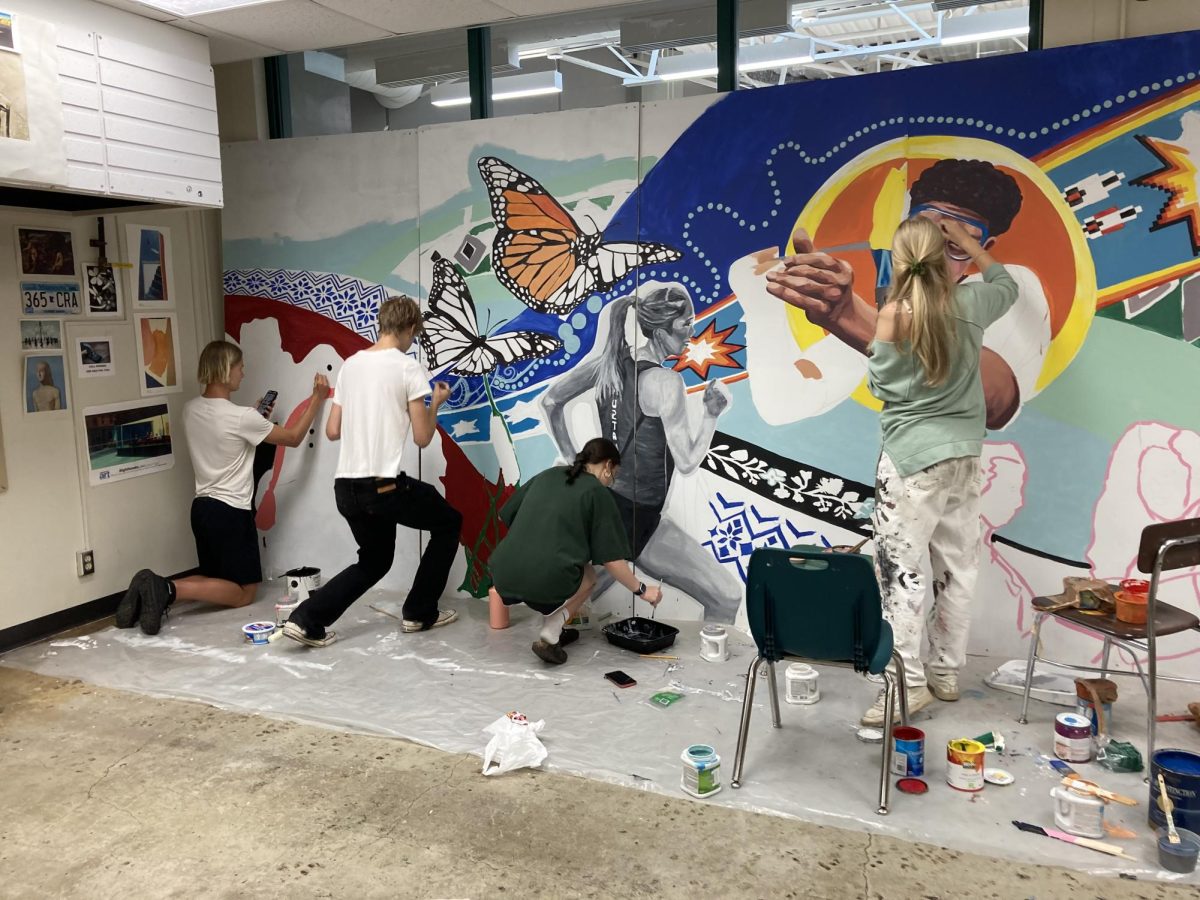


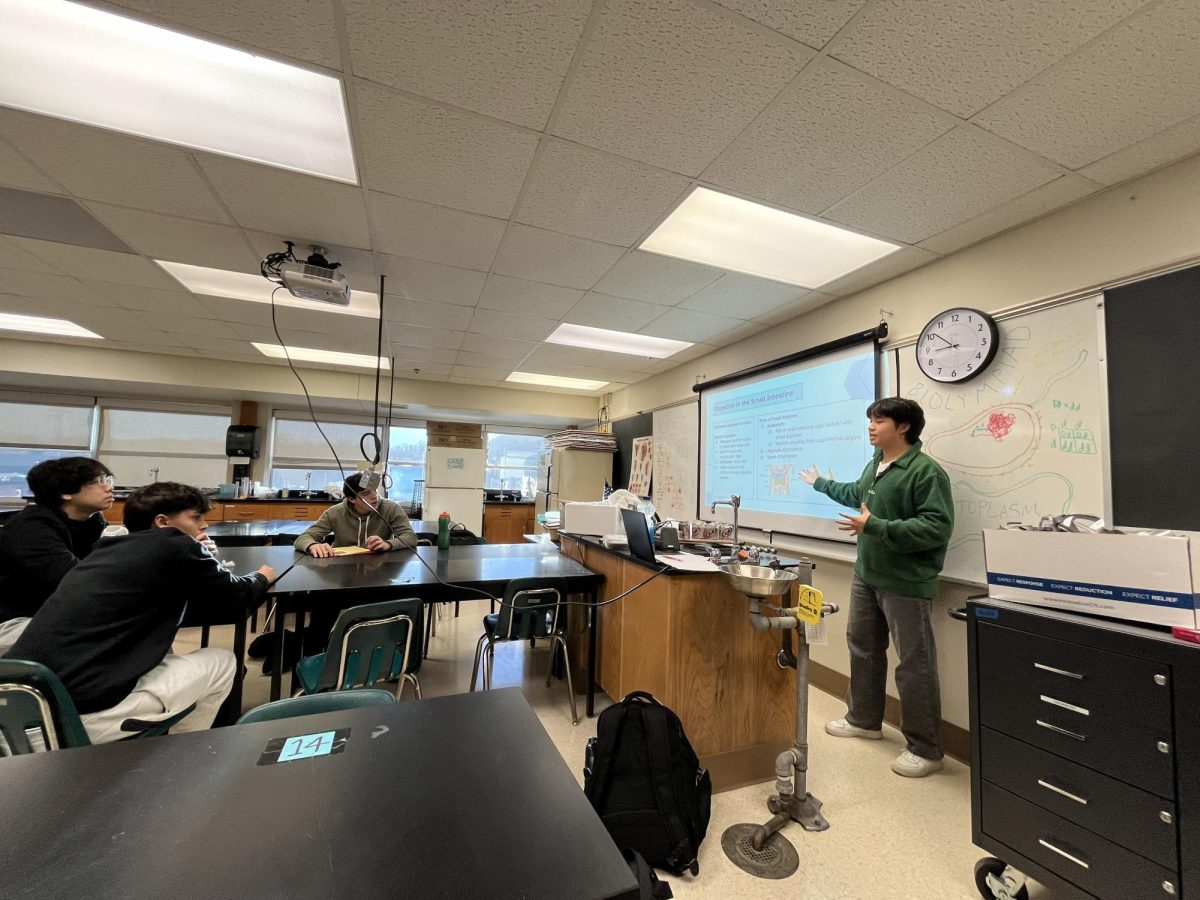
Last year, two separate one-semester World History classes existed, both of them covering different material. One of the courses focused on countries around the Atlantic Ocean and Mediterranean Sea, while the other focused on countries around the Pacific and Indian Oceans. This year, those two courses merged into a singular world history class. This social studies course mainly taken by juniors has material that varies from learning about things like ancient civilizations, religions, how humans have evolved from hunting and gathering to agriculture and connections between different continents.
Though the two world history classes had coexisted for a long time, the main turning point for merging them into one class was the new social studies standards adopted in March of 2024 and their scheduled implementation for the 2026-2027 school year. “To teach it in like two sections like that, really students couldn’t get the connections between what was happening in Europe and the Americas and China, and they really are connected. So we wanted to have one combined course, so that students could understand how the history of the whole world kinda worked together,” said social studies teacher Kristin Heinz.
Combining them was something they had discussed and tried to bring alignment to over the years. The separate courses did make for some overlapping topics across the two of them, such as religions like Christianity, Islam and Judaism, because they had strong cultural roots in history. Genocides like the Holocaust are another example of a topic covered over both classes.
There were a few struggles merging the classes, such as deciding what to include and creating new tests and new lesson plans. The history being taught is now significantly more continuous than choppy or disconnected. “I think it’s great to be able to point out the connections that exist between the different parts of the world, and how one event in one country affects another country and leads to different, you know, things happening,” Heinz said. “Or, even like technology, how technology spread from one part of the world to the other. We’re just so interconnected, we just couldn’t progress without each other.”
Navigating teaching the combined World History course for the first time as well produces some struggles. “Generally it’s going pretty wopsy,” said social studies teacher Aaron Redman. “Y’know, we’re still getting a sense of just kind of our pacing and how we’re approaching some of the content. We have a general framework of how we’re doing things, but obviously, once you kind of get into those day-to-day moments and the minutiae of that, that you kind of want of get a find of your ebbs and flows to what’s working and certainly how the students are responding to things as well.”
Overall, Heinz and Redman think the new combined World History course is going well so far, and they enjoy seeing the same students all year and the atmosphere juniors bring when engaging in class.
World history shifts course

December 9, 2025
About the Contributor
Rue Royer, Staff Reporter